
The Difference Between Formal and Black Tie for a Wedding: A Style Guide
Posted by Dimitra Designs on Oct 1st 2026
TL;DR: Understanding the formal vs black tie wedding distinction makes it easier to select an outfit that respects the dress code and feels appropriate for the celebration. Formal attire offers more flexibility, while black tie traditionally calls for full evening glamour.
- Women can wear floor-length gowns, sophisticated midi dresses, or refined cocktail dresses to formal weddings.
- Black tie weddings generally call for floor-length evening gowns and tuxedos with a black bow tie.
- Black tie optional permits a tuxedo or an elegant dark suit, but guests should still dress at the higher end of formal.
- The venue, time, and season can help guide fabric, color, accessories, and footwear.
- Professional alterations ensure that an evening gown fits beautifully and creates a polished silhouette.
Wedding invitations provide exciting clues about the celebration ahead, including the expected attire. Still, terms such as “formal,” “black tie,” and “black tie optional” can leave guests wondering how dressed up they need to be.
Understanding the formal vs black tie wedding distinction helps you select an outfit that respects the couple’s vision and lets you feel confident throughout the celebration. Both dress codes call for elevated clothing, but black tie typically carries a higher level of formality. Here is how to interpret each request and create an elegant wedding-day look.
What Is Formal Attire for a Wedding?
If you have been searching for “what is formal attire for a wedding?” think polished, refined, and appropriate for an upscale celebration. Formal weddings give guests more flexibility than black tie affairs while still ruling out casual dresses, everyday separates, and relaxed suits.
Women may wear floor-length gowns, sophisticated midi dresses, or elegant cocktail dresses made from elevated fabrics. Satin, chiffon, velvet, crepe, lace, and embellished materials all suit the occasion. Rich colors, graceful draping, beading, and tasteful prints can add personality without making the outfit feel too casual.
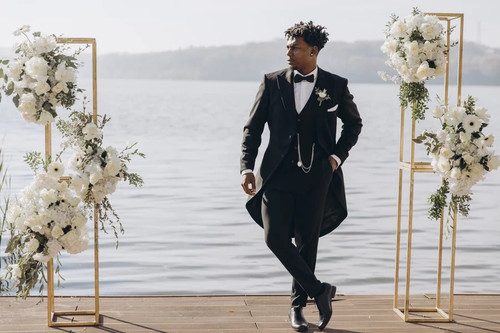
Men should generally choose a well-tailored suit with a dress shirt, tie, and polished dress shoes. A navy, charcoal, or black dark suit is a dependable option. The wedding’s time and setting may influence the final color choice, with darker shades often preferred for evening celebrations.
Formal attire offers room for individual expression, but the complete look should still feel intentional. Accessories, shoes, tailoring, and grooming can elevate a simple outfit and bring it in line with the event.
What to Wear to a Black Tie Wedding
Knowing what to wear to a black tie wedding begins with recognizing that this dress code is more specific. Black tie traditionally signals an elegant evening celebration where guests are expected to wear their finest formal clothing.
For women, a floor-length evening gown is the classic selection. Luxurious fabrics, sophisticated silhouettes, and carefully chosen details work especially well for black tie weddings. A fitted gown with a dramatic neckline, an A-line dress with a flowing skirt, or a sleek column gown can all meet the dress code. Tasteful sequins, embroidery, beading, or sculptural accents can add glamour.
Some highly refined cocktail dresses may suit modern black tie celebrations, but a long gown remains the safest and most traditional choice. Avoid casual sundresses, short party dresses, cotton fabrics, and styles that appear better suited to daytime events.
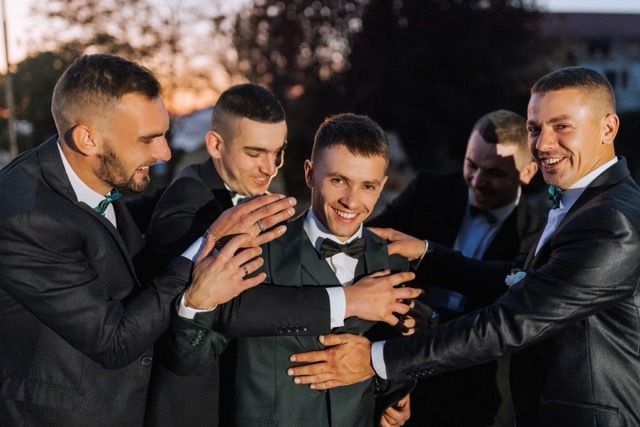
Men should wear a tuxedo, formal white shirt, black bow tie, and dress shoes. Traditional black tie dress codes may also call for a cummerbund or formal waistcoat. A standard business suit does not carry the same degree of formality as a tuxedo.
Black Tie Dress Code vs Formal: The Key Differences
The main distinction in the black tie dress code vs formal comparison is the amount of flexibility each one allows.
Formal attire gives women the option of wearing a long gown, midi dress, or sophisticated cocktail dress. Men may wear a dark, well-fitted suit instead of a tuxedo. Black tie attire is narrower: women are generally expected to choose full-length evening gowns, while men traditionally wear tuxedos.
Fabric and detailing can also create a noticeable difference. Formal dresses may include understated prints, lighter embellishments, or versatile silhouettes. Black tie gowns often feature luxurious textiles, intricate beading, dramatic shapes, or other details that make the outfit feel suited to a grand evening affair.
The venue can provide additional context. A formal wedding at a garden estate might invite soft colors and flowing fabrics. A black tie reception in a ballroom, luxury hotel, or historic venue typically calls for deeper colors, opulent materials, and more glamorous styling.
When comparing black tie vs formal wedding attire, remember that it is generally better to appear slightly more polished than too casual. A beautifully fitted long gown can work for either dress code, especially when styled with appropriate accessories.
Black Tie Optional vs Formal
The distinction between black tie optional vs formal is subtle because the two dress codes can overlap. Black tie optional gives guests a choice: they may wear traditional black tie attire, but an elevated formal outfit is also acceptable.
Women can wear a floor-length gown, an elegant evening dress, or a particularly refined cocktail dress. Men may select a tuxedo or a conservative dark suit with a tie. The word “optional” applies primarily to the tuxedo, not to the event’s overall formality.
Formal attire also permits dark suits and elegant dresses, but it may allow slightly more variety in colors, hemlines, and styling. Black tie optional suggests that many guests will arrive in tuxedos and gowns, so choosing an outfit at the dressier end of the formal spectrum is a smart approach.
How Time and Venue Affect Wedding Dress Codes
The wording on the invitation should guide your outfit, but time and location also matter. Evening ceremonies generally call for darker colors, richer fabrics, and more elaborate accessories. Daytime formal weddings may welcome lighter shades, subtle prints, and softer materials.
Seasonal considerations are useful as well. Velvet, satin, long sleeves, and jewel tones complement fall and winter celebrations. Chiffon, organza, floral details, and luminous colors can create an elevated look for spring and summer weddings.
For outdoor venues, consider the practical side of your outfit. A floor-length gown can still be appropriate, but select shoes that can navigate grass, gravel, or uneven paths. A stylish wrap or tailored jacket can help you stay comfortable without compromising the elegance of your formal attire.
Choosing Accessories for Formal and Black Tie Events
Accessories should complement your clothing instead of competing with it. For formal weddings, refined earrings, a clutch, and elegant heels can complete the look. Black tie events provide an opportunity for more glamorous jewelry, metallic accents, embellished bags, and sophisticated evening shoes.
Your hairstyle and makeup can also reinforce the dress code. A polished updo, soft waves, or sleek styling pairs beautifully with an evening gown. Makeup can range from understated elegance to a bolder evening look, depending on the dress and personal style.
The correct undergarments matter just as much as visible accessories. Supportive, seamless foundations help a gown drape properly and create a smooth silhouette.
Fit Is Essential for Every Formal Look
Even the most beautiful designer gown can lose its impact if it does not fit correctly. Hem length, strap placement, waist shaping, and bust support all affect how a dress looks and feels. Professional alterations transform a lovely gown into one that appears made specifically for you.
Dimitra Designs offers elegant evening dresses and expert alterations for weddings, galas, cocktail parties, and other special occasions. Our experienced team can help refine the fit while preserving the fabric, embellishments, and original character of your gown.
Once you understand common wedding dress codes, selecting your outfit becomes much easier. Formal weddings allow sophisticated flexibility, while black tie celebrations invite full evening glamour. Choose a style that honors the requested dress code, suits the setting, and makes you feel exceptional from the ceremony through the final dance.
Visit us to try on elegant formal and black tie dresses for wedding guests!